Auto Loan Calculator

Plan your car budget with confidence before you start shopping. This car Loan Calculator helps you quickly estimate monthly payments and understand the true cost of financing a vehicle.

Start your 7-day trial

or scan QR to install
QR

Car Payment Calculator

Calculate your payment

$
$
%
0% 100%
%
years
months
Monthly payment:
$0/month
Total Loan Amount:$0
Down Payment:$0
Total Interest Paid:$0
Total Amount Paid:$0
Monthly payment:$0/month

With an auto loan calculator, you can enter the loan amount and terms you're considering, then let a car payment calculator do the work. Whether you're using a car loan calculator to compare options or a car payment calculator to estimate your monthly auto payment based on loan terms, this tool turns complicated figures into clear expectations. Borrowers can adjust price, interest rate, loan length, and trade-in value to estimate their payments before visiting a dealer.

Buying a car feels emotional, but the financing should be practical. A calculator helps you focus on affordability rather than the sticker price. It shows how even small differences—like 2% in interest rates or 1 year in loan term—can produce significant changes in the total amount repaid over time.

Auto Loan Calculator Guide

What You Can Do With This Car Loan Calculator

A car loan calculator is designed to provide clarity before signing any paperwork. Instead of guessing monthly costs, you can see realistic payment estimates based on your inputs.

With this calculator, you can:

  • Estimate monthly loan payments based on vehicle price
  • Compare loan terms, such as 36, 48, 60, or 72 months
  • Understand how interest impacts total loan cost
  • Factor in trade-in value and down payment
  • See how different loan amounts affect affordability

It also helps answer practical questions. Is a shorter loan term worth the higher payment? How much interest will you pay over time? Should you increase your down payment or extend the loan term? Running multiple scenarios provides answers in minutes.

How to Use the Car Loan Calculator

Using a car loan calculator is straightforward, even if you're new to auto financing. Most calculators require only a few key details.

Start by entering the vehicle price. This can be the negotiated purchase price, not the sticker price. Next, add your down payment and any trade-in value. These reduce the loan amount and lower monthly payments.

Then, enter the interest rate offered by the lender. Rates vary based on credit score, loan term, and whether the vehicle is new or used. Finally, select the loan length in months.

Once submitted, the calculator instantly estimates:

  • Monthly payment amount
  • Total loan cost
  • Total interest paid

You can adjust numbers to see how different choices affect payments, helping you make informed decisions before applying for a loan.

What Affects Your Monthly Car Loan Payment

Several factors influence how much you pay each month on a car loan. Understanding these variables helps you control costs.

The loan amount is the biggest factor. This includes the vehicle price minus down payment and trade-in value. Interest rate also plays a major role. Even a small difference in rate can significantly change total interest over time.

Loan term matters as well. Longer terms lower monthly payments but increase total interest paid. Shorter terms cost more monthly but save money overall.

Other elements include taxes, fees, and optional add-ons rolled into the loan. All of these increase the amount financed and should be included when estimating payments.

Average Car Loan Interest Rates by Credit Score

Interest rates vary widely depending on credit score. Borrowers with higher scores usually qualify for lower rates, reducing total loan cost.

On average:

  • Excellent credit typically receives the lowest rates
  • Good credit sees moderate rates with competitive offers
  • Fair credit often results in higher interest rates
  • Poor credit usually comes with significantly higher rates

Rates also differ for new versus used vehicles. New cars usually qualify for lower rates because they pose less risk to lenders. Checking your credit before applying can help you estimate realistic interest costs and plan accordingly.

Understanding Your Car Loan Calculator Results

The results you get from an auto loan calculator are more than just a single monthly car payment figure. Each number helps tell part of the financial story.

The monthly payment shows how the loan fits within your budget. Comparing this figure with your income helps assess affordability. The total cost of a loan represents how much you'll pay overall, including interest. This shows what the car truly costs over time.

The total interest paid is critically important. It reveals the expense of borrowing money. A smaller payment may sound attractive, but a loan with higher interest can make it far more expensive in the end.

Understanding these figures allows you to balance short-term affordability with long-term cost efficiency.

How Car Loans Work

A car loan is a type of installment loan. You borrow a set amount to purchase a vehicle and repay it over time with interest.

Each payment includes two parts: principal and interest. Early in the loan, more of the payment goes toward interest. Over time, more goes toward reducing the loan balance.

The vehicle itself serves as collateral. If payments are missed, the lender can repossess the car. This is why lenders carefully evaluate credit history and income before approval.

Understanding how loans function helps explain why interest rates and loan terms matter when estimating payments.

How to Get the Best Car Loan Rate

Getting the best rate takes planning. Start by reviewing your credit report and correcting any errors. A higher credit score increases your chances of securing lower interest rates.

Shop around before committing. Banks, credit unions, and online lenders often have different rates. Preapproval can also give you leverage when negotiating at the dealership.

If you can afford it, choose shorter loan terms. They tend to have lower interest rates and less total interest paid. A larger down payment may also help secure better loan terms by reducing risk for the lender.

Finally, don't focus only on monthly payments. A lower monthly payment spread over many months often costs you more in the end.

Hidden Costs of Car Ownership You Should Budget For

The car loan payment is just one part of the cost of owning a car. Many costs arise after the purchase and must be budgeted for.

Insurance is a significant ongoing expense that can vary greatly depending on the vehicle type and your driving profile. Maintenance and repairs are essential to keep the vehicle running. Fuel costs vary based on driving habits and vehicle efficiency.

Annual recurring costs for registration, taxes, and inspection fees add up. Parking, tolls, and unexpected repairs can strain a budget if not anticipated.

Tracking these expenses alongside loan payments helps maintain financial stability. Tools like a bill payment tracker can help manage recurring costs, while setting savings goals prepares you for future repairs or replacements.

Improve your life using budgeting

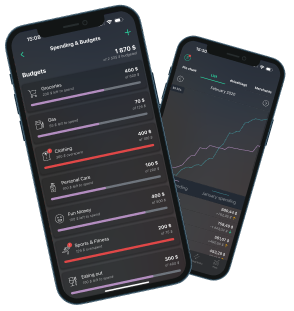
PocketGuard is an all-in-one platform that brings together everything you need to optimize your finances. Join thousands of families using PocketGuard to achieve financial peace and security.