
Rocket Money built its name on finding your forgotten subscriptions and canceling them for you. That’s a genuinely useful trick, but it’s also where the app’s strengths may mostly end. Once the initial cleanup is done, Rocket Money settles into a single budgeting method that most reviewers, including Ramsey Solutions and Rob Berger, describe as thin compared to dedicated budgeting apps. Its bill negotiation service – arguably its best-known feature after subscription cancellation – charges a 35–60% cut of its Premium users’ first year’s savings, which can turn a $300 saved bill into a 105-180 fee. If you’re a Premium+ user, there is no fee for bill negotiation service. Unfortunately, if you live outside the United States, Rocket Money isn’t currently an option at all.
That combination of shallow budgeting, a costly negotiation fee unless you are a Premium+ user, and no current international availability is why many people may start looking for a Rocket Money alternative. Some may want deeper budgeting tools, a structured plan for paying off debt, and a clearer daily picture of what they can actually afford to spend. Others may be searching for apps like Rocket Money that work outside the US, or for one-time pricing instead of yet another monthly bill on their card statement. Below, we break down Rocket Money alternatives for each of those situations, starting with the app we think does the most for everyday budgeters.
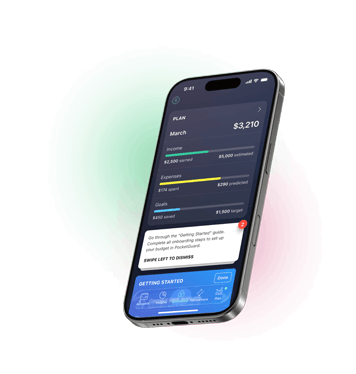
Take control of your money, optimize your spending and grow your savings automatically


Table of Contents
Why We Selected These Apps
For each reason above, there is an outstanding choice that we made: PocketGuard for everyday budgeting and paying off debts, Quicken Simplifi for cash flow projection, Monarch for investments and net worth management, and Hiatus for those who only require the Rocket Money subscription service and bill service. We tried using the apps for budgeting, monitoring daily spending, and analyzing subscriptions and bills. Besides, we conducted research on previous experts’ opinions and comments from users. Then, we considered the price today, terms of the trial period, debt-related features, how the app manages subscription cancellation and bill negotiation fees, and which countries the app serves. Our rating in the comparison table, like learning curve, reflects this combination of practical experience and research results.
Key takeaways
- Rocket Money may be strongest at canceling subscriptions and negotiating bills, but basic for everyday budgeting.
- PocketGuard may be the best Rocket Money alternative for daily budgeting: its Leftover number shows what’s safe to spend right now.
- Rocket Money’s bill negotiation feature charges 35–60% of first-year savings for Premium users; PocketGuard’s partner Billshark charges 40%.
Best Rocket Money Alternative at a Glance
The best Rocket Money alternative overall may be PocketGuard. Where Rocket Money is built around a one-time cleanup – cancel a few subscriptions, negotiate a bill, move on – PocketGuard is built around predictive budgeting and an ongoing number: how much money you actually have left to spend right now. Its “Leftover” calculation and Pace warnings correct overspending in the moment, not weeks later when the statement arrives, and it backs that up with real budgeting methodology (zero-based, envelope, or flexible), plus a dedicated debt payoff planner that Rocket Money currently doesn’t have.
PocketGuard – The Best Overall
PocketGuard replaces Rocket Money for anyone who wants more than a subscription audit. In this PocketGuard vs Rocket Money comparison, we show how it connects to your bank accounts, cards, and loans, then does the daily work of showing you what’s safe to spend after bills, budgets, and savings goals are accounted for – the piece of the puzzle Rocket Money mostly leaves to you once the initial cleanup is finished.
How PocketGuard’s “Leftover” Algorithm Works
After you link your accounts, PocketGuard subtracts your upcoming bills, savings contributions, and budgeted expenses from your available balance. What remains is your “Leftover” – the amount you can spend today without borrowing from tomorrow. It updates as transactions post, so a grocery run lowers the number immediately and a paycheck raises it right away. There’s no monthly review required to find out you overspent two weeks ago; the number already told you.
Daily Budgeting vs One-Time Cleanup
This is the core difference between the two apps. Rocket Money’s value is concentrated at the start: find subscriptions, cancel a few, maybe negotiate a bill, and the app has mostly done its job. PocketGuard’s value shows up every day, because the Leftover number and the budgeting categories behind it are meant to be checked before you spend, not after. For someone who overspends gradually rather than through one dramatic bill, that daily correction may matter more than a single cleanup pass.
The Pace Feature: Real-Time Overspending Warnings
Pace goes a step further than the Leftover number by looking at your spending rate against your remaining budget and the days left in the month. If you’re on track to run out of money before your next paycheck, Pace flags it early enough to actually adjust course – rather than after the damage is done. It’s currently available to PocketGuard Plus subscribers on iPhone and Android.
Debt Payoff Planner Feature
PocketGuard’s planner supports both the avalanche method (highest interest rate first) and the snowball method (smallest balance first), and it calculates a payoff timeline based on your real accounts once you link them. Rocket Money currently has no comparable dedicated debt tool, which makes this one of the clearer gaps between the two apps for anyone carrying a credit card balance or a loan.
Multiple Budgeting Methods (Zero-Based, Envelope, Flexible)
Rocket Money offers one budgeting approach, and it’s the feature frequently flagged as basic by outside reviewers. PocketGuard supports zero-based budgeting (every dollar assigned a job), envelope-style category budgets, and a more flexible “Leftover-first” approach for people who don’t want a rigid system. That range matters if your budgeting style changes over time – say, from loose tracking to a stricter zero-based plan once you’re paying down debt.
Pricing: Is PocketGuard cheaper?
Rocket Money’s Premium tier runs 7-14 a month on a pay-what-you-want scale (84-168 a year) or a flat 15 rate for Premium+ users, and that’s before bill negotiation, which only kicks in as a percentage fee when a negotiation succeeds. The pay-what-you-want structure sounds flexible, but most of Rocket Money’s real functionality – unlimited budgets, on-demand syncing, concierge cancellation – sits behind that Premium paywall regardless of which price point you pick.
PocketGuard Plus is a flat $12.99/month or $74.99/year, with a lifetime option at $149.99 for anyone who plans to stick with it for the long run, a pricing structure Rocket Money doesn’t offer. On subscription price alone, PocketGuard’s annual plan comes in below Rocket Money’s Premium range, and the subscription itself never takes a cut of anything it saves you. Bill negotiation is optional with both apps: Rocket Money charges 35–60% of first-year savings, while PocketGuard’s Lower Your Bills service runs through partner Billshark, which charges 40% of total savings, counted over up to two years. Saving $600 a year on a bill would cost 210-360 in Rocket Money fees alone.
Who PocketGuard Is Best For
PocketGuard may fit best if you want a daily handle on spending, real budgeting methodology, and a structured way to pay down debt – not just a once-a-year subscription purge. If that’s the gap in your current setup, you can start a free 7-day trial and see the Leftover number update against your own accounts before deciding on Plus.
To be fair to Rocket Money, it wins in one specific place: hands-off, concierge-assisted subscription cancellation and bill negotiation, where a real person makes the calls on your behalf. If that’s genuinely the only thing you want an app to do, Rocket Money’s concierge model is hard to fully replace. Reviewers have also noted that Rocket Money’s self-service cancellation doesn’t always follow through in practice, which is part of why the concierge option matters so much to its remaining fans. PocketGuard can flag subscriptions and hand you clear cancellation steps, but it doesn’t place the call for you.
Other Rocket Money Alternatives Worth Considering
PocketGuard may be the best all-around replacement, but it’s not the only one worth a look. Here are three other well-known apps, each built for a different need: forecasting, investment tracking, or hands-off subscription cancellation. Pick the one that matches why you’re leaving Rocket Money.
Quicken Simplifi – Best for Detailed Cash Flow Forecasting
Simplifi is built around a rolling spending plan and a cash-flow forecast that projects your balance up to 12 months ahead based on upcoming bills and income. It’s more automated than Rocket Money’s budgeting, with a forward-looking plan instead of a backward-looking spending summary. The spending plan updates in real time as transactions come in, separating “planned” spending (rent, subscriptions, debt payments) from flexible day-to-day categories, so you get a clear read on what’s actually discretionary each month.
It also includes basic investment tracking and support for shared households with multiple profiles. Where it may fall short of PocketGuard is debt payoff planning – Simplifi can track a loan balance, but it currently doesn’t offer a structured avalanche-or-snowball strategy. It’s a strong pick if your main frustration with Rocket Money is the lack of forward-looking cash-flow visibility, less so if debt payoff is your priority.
Monarch – Best for Investment Tracking
Monarch pairs everyday budgeting with genuinely strong net-worth and investment tracking, making it a fit for people who want one dashboard for both spending and long-term accounts. Compared with Rocket Money, Monarch focuses less on cleanup and more on giving you a full financial picture in one place. It links investment and retirement accounts alongside checking and credit cards, then rolls everything into a single net-worth trendline you can track over months or years – something neither Rocket Money nor PocketGuard emphasizes to the same degree.
Monarch also supports collaborative budgeting for couples, with shared goals and comment threads on transactions, which makes it a popular pick for two-income households. The trade-off is price: Monarch has no meaningful free tier beyond a trial, and its day-to-day spending tools may not be as tightly built around a single actionable number the way PocketGuard’s Leftover figure is.
Hiatus – Closest Match to Rocket Money’s Actual Model
If what you actually want is Rocket Money’s specific combination – subscription tracking, concierge-style cancellation, and bill negotiation – Hiatus is a good option. Its free version tracks subscriptions and bills, while Premium ($9.99 a month or $35.99 a year) adds a team that cancels subscriptions and negotiates bills on your behalf, according to FinanceBuzz. That makes it the most direct swap if subscriptions and bills, not budgeting, are why you used Rocket Money.
It doesn’t attempt to be a full budgeting app: no zero-based or envelope methodology, no debt payoff planner, and no daily spendable-amount calculation. That narrower focus is the point – worth considering if subscriptions and bills are your priority, less useful if budgeting structure is what sent you looking for an alternative in the first place.
Rocket Money Alternatives Compared
| PocketGuard | Rocket Money | Quicken Simplifi | Monarch | Hiatus | |
| Budgeting Method | Zero-based, envelope, 50/30/20, categories, predictive budgeting, Leftover | flexible, tracker-based method | Cash-flow-driven spending plan | Category, flexible budgeting | Basic custom budgeting |
| Price | $12.99/mo, $74.99/yr or $149.99 lifetime | $7-14/mo | $3.99/mo (billed annually) | ~$8.33/mo (annual) | Free or $9.99/mo (35.99/yr) |
| Free Tier | No (7-day trial) | Yes | No (trial only) | No (trial only) | Yes, Limited |
| Learning Curve | Low | Low | Moderate | Moderate | Low |
| Ease of Use | High | High | Moderate | Moderate | High |
| Bank Sync | Yes | Yes | Yes | Yes | Yes |
| Debt Tools | Avalanche & snowball planner | None | Basic | Avalanche & snowball (Pay Down Goals) | None |
| Savings Goals | Yes | Yes | Yes | Yes | Limited |
| Security | 256-bit encryption, biometric lock | Bank-level encryption | Bank-level encryption | Bank-level encryption | Bank-level encryption |
| Subscription Cancellation | Self-service, in-app | Concierge-assisted | Not a core feature | Not a core feature | Concierge-assisted |
| Bill Negotiation | Yes, via Billshark (40% of savings) | 35–60% success fee | Not offered | Not offered | Success-fee model |
| Availability | US, UK, Canada | US only | US, Canada | US, Canada | US only |
Why PocketGuard May Beat Rocket Money for Everyday Budgeting
If your goal is a one-time subscription sweep, Rocket Money can do that job. But for anyone who wants an app that actually helps them budget – day after day, not just once – PocketGuard is the stronger pick. The Leftover number replaces guesswork with a single, live figure. Pace catches overspending while there’s still time to fix it. The debt payoff planner gives structure that Rocket Money currently doesn’t offer at all, and the subscription itself never takes a percentage of your savings. Add support for US, UK, and Canadian accounts, and PocketGuard covers more ground than Rocket Money does for less money over time.
Frequently Asked Questions
Does PocketGuard cancel subscriptions like Rocket Money?
PocketGuard identifies recurring subscriptions and walks you through canceling them yourself, but it doesn’t place the cancellation call for you the way Rocket Money’s concierge service does. If you specifically want someone else to make the call, that’s Rocket Money’s (or Hiatus’s) advantage, not PocketGuard’s.
Is PocketGuard cheaper than Rocket Money?
On the core subscription, PocketGuard Plus at $74.99/year lands within or below Rocket Money’s 84–168/year Premium range. Both offer optional bill negotiation for a share of savings: 35–60% at Rocket Money, 40% through PocketGuard’s partner Billshark.
What’s better than Rocket Money for actual budgeting?
PocketGuard may be the strongest all-around answer, thanks to its daily Leftover number, various budgeting methods, and dedicated debt payoff planner. If you specifically want YNAB-style category budgeting, Quicken Simplifi and Monarch are also worth a look. Simplifi may not match PocketGuard’s debt-payoff depth.
Disclaimer: This content reflects information available at the time of publication. Prices, policies, features, and other details may have changed since then. Please check the latest information with official sources before making any decisions.

Take control of your money, optimize your spending and grow your savings automatically

