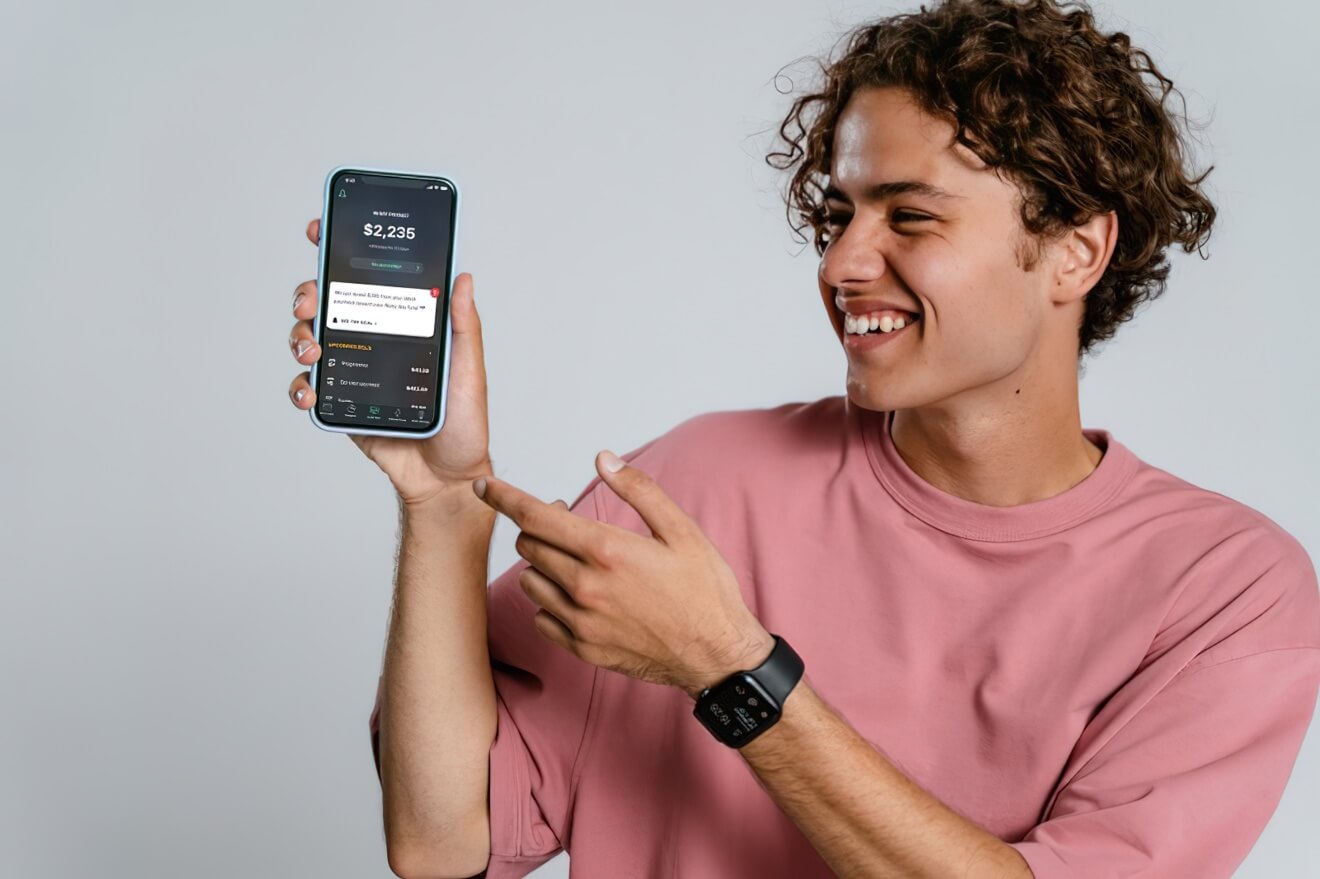
A few years ago, if you wanted a new phone, the only way to get one was to buy it. Now, there are other methods like leasing and renting, which give you more options.
Lots of telephone companies, in trying to make mobile device ownership easier for their customers, are implementing these new methods that are more flexible. From allowing monthly installment payments to leasing the mobile device for a while, the options are increasing. Why pay so much money to buy a mobile device, when you might want to change it in a few months? On the other hand, why spend so much to lease a phone, when you could just buy and resell it?

Take control of your money, optimize your spending and grow your savings automatically


With this, let us look at leasing a phone vs buying one.
The old go-to was the carrier-subsidized two-year contract, where you gradually paid off the device over about 24 months and owned it at the end – essentially buying it on credit – worth weighing against the pros and cons of credit. Those subsidized contracts have largely disappeared. Today the main options are paying outright, monthly installment plans, or leasing, and more people are drifting toward the flexibility leasing offers.
Table of Contents
Methods of Acquiring a Phone
So, there are a few main ways to acquire a mobile device:
- Full purchase;
- Installment payment;
- Leasing;
- Renting (usually short-term).
Let us consider the pros and cons of these three methods:
Full Purchase
Pros:
- You do not have to worry about a hike in price subsequently.
- There is this peace of mind that comes with buying a cellphone without a contract, and making a one-time payment will exempt you from debts.
Cons:
- Prices of new mobile devices are currently breaking the bank.
- The discounts attached to this method are limited.
Installment Payments
Pros:
- Paying in installments helps you manage your money without breaking the bank.
- There are a lot of deals and discounts with this method.
- Installment payments are usually interest-free.
Cons:
- This will be an addition to your monthly phone bill.
- Carriers cannot be switched until the full payment is made.
Leasing:
Pros:
- This is the cheapest method of the three.
- You have the liberty to upgrade regularly.
- There are lots of deals and discounts on this method as well.
Cons:
- The device will no longer be yours at the end of the lease period unless a buyout price is paid.
The major difference between leasing a mobile device and purchasing one is the pricing – the same trade-off you’ll find when leasing vs. buying a car. While leasing will cost you less in the long run, you must remember that phones can get very personal. People get attached to their devices after a while, and you cannot form a bond with a leased device since it will not be yours at the end of the deal.
Why Do People Prefer Buying a Phone?
Some people love the idea of exclusive ownership of a property. There is this certain sense of security that comes with buying, unboxing, and using a mobile device exclusively. People like this will prefer buying a device to a lease. Also, it is only this option that allows you to unlock the device with any compatible network of your choice. Then of course, there is the peace of mind that comes with knowing that you have completely paid for a property and can take full advantage of it.
Why Do People Rent a Phone?
Most times, renting is done on a short-term basis. People mostly rent a phone when they travel because some devices are restricted to their carriers. This can be solved with data roaming, but most people will prefer renting for the period they are in a new location.
What Kind of People Are Better Off With a Leased Phone?
If you see yourself wanting the next version of a device the moment it launches, then leasing might be the best option for you to consider. Getting a lease will help you save a few hundred dollars on your next purchase.
Note that you can always buy the device at the end of the lease if you like the idea of keeping it, by simply paying a buyout fee. This will obviously cost more than it would have to make a one-time purchase or a monthly installment.
What Is the Right Choice to Make?
The decision to lease, rent or buy a phone is dependent on the user based on preference and other factors. You should consider your finances, how much flexibility you want, and how attached you get to your devices before deciding – and whether the upgrade is really a need or a want in the first place.
If you find that you are always eager to get the latest devices, leasing will be the perfect option for you.
However, if you would rather have full ownership of your mobile device at once, then you should consider purchasing it completely. All you need to do is consider the pros and cons and make the best decision for your situation.
Several companies offer attractive leasing and rent-to-own deals, so once you’ve decided, it’s worth comparing a few to find the best fit.

Take control of your money, optimize your spending and grow your savings automatically