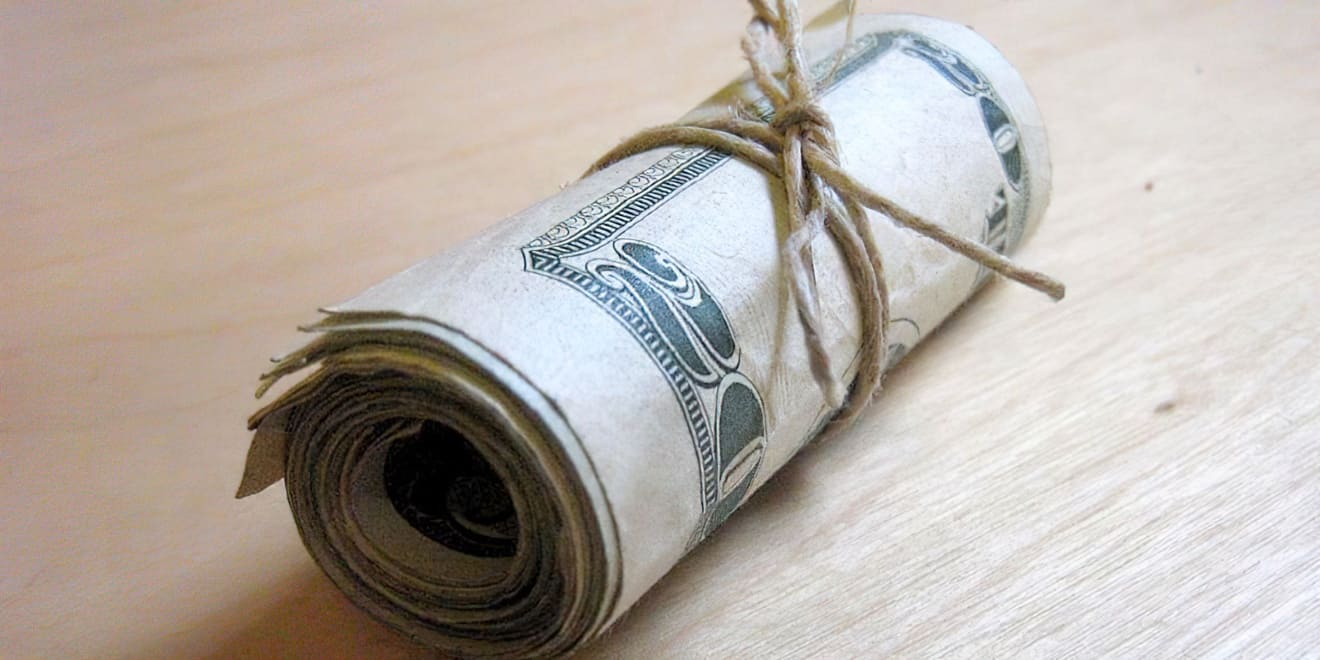
More and more people are using plastic to pay for everything. Physical cash has become more and more rare and many people have given up on carrying around money completely. While it is obvious that if you are renting a car or booking a hotel you need to use electronic money, there is still a place for cash in our modern lifestyle. Here are 5 good and bad aspects of padding your pocket with a bit of green.
The numbers back this up: cash now accounts for only about 15% of U.S. payments, down from roughly a third a decade ago. But it hasn’t disappeared – cash use has actually leveled off in recent years, and it’s still the go-to for small, everyday purchases under $25. So before you go fully cashless, it’s worth weighing whether to use debit or a credit card or keep a little cash on hand.

Take control of your money, optimize your spending and grow your savings automatically


Table of Contents
1. Cash Can Be Lost or Stolen
Anyone who has lost their wallet knows the dread of feeling their pocket and not feeling the bulge that should be there. The next few seconds you are trying to think of where your wallet could be, and then after 30 seconds you are already starting to plan on how to cancel your credit cards and remember how much cash was inside.
- The good news is that you can only lose as much cash as you had in your wallet, while credit cards can potentially add up to thousands or tens of thousands of dollars.
- The bad news is that whatever cash you had, is now gone. If you cancel your credit cards immediately, you are not responsible for any further purchases made on those accounts.
2. Keep It Real
Do you know how much money you actually spend eating out or on your morning coffee?
- The good part of spending cash is that you have to think about each purchase as you see the money move from your hand to the cashier’s. If you put $100 in your pocket on Monday morning you see exactly how long it takes to spend it, and sometimes it can be shocking to realize that between morning coffee, lunch with friends and a date at the movies, it is already gone!
- The bad part is if you use an app to keep track of expenses, you will have to make manual entries for each purchase. Sure you don’t see the money leave your pocket physically, but at the end of the month, you also don’t get a pretty pie chart, explaining WHY your pocket is empty again.
3. Protect Your Privacy
It happened again: Walmart, Target or Home Depot reports that they had another “security breach” and all your personal data is out there in the hands of some sinister criminal bent on ruining your credit rating. But how susceptible are you?
- The good news is that if you used cash to buy those groceries at Target, you have nothing to worry about for that purchase. They don’t have any personal information to be passed around. In addition, even if there wasn’t a security breach, you aren’t getting those annoying emails asking you to come back and buy a patio chair to go with the barbecue you bought last month.
- The bad news is that you will miss out on the extra consumer protection that is offered by most credit card companies. If your lawn chair breaks or someone wheels off with your barbecue, no one will come to your aid, especially if you have lost the receipt!
4. Avoid the Debt Monster
You open your credit card statement and realize that you overspent again this month. It’s okay though. The minimum payment has only risen from $200 to $230 this month. But you can feel yourself getting farther and farther in debt.
- The good part of using cash is that you never overspend. Once there is no money in your pocket, you can’t spend any more. You never have to worry about paying for last month’s purchases with this month’s money. Unless of course you promise it is your turn to buy a round of drinks with your friends the next time.
- The bad part of using cash is that if you never develop any kind of credit history it can be difficult to get it later. Staying out of debt for groceries is admirable, but waiting until you have enough money to purchase a house outright is unrealistic for the average Joe. Having a good history with credit purchases on small things ensures that when you need something big like a mortgage, it will be available and, more than likely, at a lower interest rate.
5. No Extra Fees for Cash Payments
Oops, it is the end of the month and you forgot to pay your credit card bill again. You had the money in your bank account, it just slipped your mind.
- The advantage of using cash is there is never any late fees, interest payment or annual fee for using cash. What you see, is what you pay.
- The disadvantage is that if you actually wanted to buy something and you don’t have enough cash on you, you might have to go find a bank machine, which can sometimes be more difficult than it should be. Often the most convenient ATM’s have extra fees that can quickly add up to more than the fees on your credit cards.
In the end, money is just more fun than plastic. No one ever went to a wishing well and swiped their credit card to impress their date. And, when grandpa came over and you asked for the change in his pockets, you were always disappointed when he turned them inside-out. So, next time you are making the decision between cash or charge, weigh your options out and don’t forget to think of the children!
FAQ
Is it better to use cash or a card?
It depends on your goal. Cash helps curb overspending because you physically see it leave your hands, while cards offer fraud protection, rewards, and a digital record that makes budgeting easier. Many people use cash for “slippery” categories like dining out and cards for everything else.
Does using cash help you spend less?
Often, yes. Studies have found people tend to spend more with cards than with cash, because handing over physical money feels more real. This is the idea behind cash-based budgeting methods like the envelope system.
How much cash should I carry?
There’s no fixed rule, but enough for small everyday purchases and emergencies where cards aren’t accepted is a reasonable guideline. Most cash payments are for transactions under $25.

Take control of your money, optimize your spending and grow your savings automatically