Baby Budget: Understanding the True Cost of a Baby in the First Year
A baby brings so much excitement to your life. However, with that excitement comes a huge financial responsibility.Having some sense of what you might want to budget for baby costs can make us a little more settled and a bit less stressed. Whether you’re just beginning to consider how much it will cost to have a baby or already have one on the way, doing the money math is key.
The fact is, a baby budget encompasses more than just the direct needs of your child. The cost of everything from medical bills to child care can mount fast. In this guide, we’ll break down what you’ll be spending in your baby’s first year, and help create a budget for you with an itemized master checklist of all the things your baby will need, and some tips to manage these costs for your child.

Take control of your money, optimize your spending and grow your savings automatically


Key Takeaways:
- A baby is pretty expensive, as the average family spends between $12,000 and $15,000 in the first year, though the total varies widely depending on your lifestyle choices and where you live.
- The biggest expenses usually include childcare, diapers, formula (if breastfeeding isn’t possible), and medical bills.
- With smart planning, families can reduce overall costs by 30–40% while still ensuring their baby has everything they truly need.
- Creating a detailed baby budget before your child arrives gives you time to adjust your finances, build an emergency fund, and explore ways to avoid debt.
- Understanding the full financial picture helps you make informed decisions — from where to shop to whether one parent should stay home.
Table of Contents
How Much Does a Baby Cost a Month
From the first month to the 1-year mark, baby-related expenses fall into a range of $1,000 to $1,500 per month for most families. This is roughly $12,000 to $18,000 a year depending on your decisions about childcare and feeding and so forth.
The monthly price fluctuates during the first year. You spend more on diapers in the early months (newborns use 10-12 a day), and medical expenses are a factor with countless trips to the pediatrician. By six months, things often level back out as you’ve reached an understanding of your actual needs.
Where you live plays a huge role. Parents in urban areas might spend $2,000 or more monthly when factoring in expensive childcare, while those in smaller towns with family support might keep costs under $800 per month. Use a budget calculator that accounts for your unique circumstances.
List of Monthly Child Expenses
Monthly Baby Expense Breakdown
| Category | Estimated Monthly Cost | Savings Tips & Notes |
| Childcare | $600 – $2,000 | The largest variable, costs depend on location and type of care (daycare vs. nanny). |
| Formula | $150 – $250 | Costs are $0 if exclusively breastfeeding; specialty formulas can exceed $400. |
| Diapers & Wipes | $70 – $100 | Buying store brands or bulk can reduce this by roughly 50%. |
| Medical Expenses | $50 – $200 | Includes insurance copays for approximately 9–10 well-child visits in the first year. |
| Baby Gear & Supplies | $50 – $100 | Covers recurring needs like soap, lotion, pacifiers, and bottle replacements. |
| Clothing | $30 – $70 | Savings can be found via hand-me-downs and consignment shops. |
| Total Estimated | $950 – $2,720 | Total varies significantly based on childcare and feeding choices. |
Key Considerations
- The “Startup” Cost: Keep in mind that this a table for monthly recurring costs. First-time one-time purchases (crib, car seat stroller) typically cost $1,000 to $3,000,-ish depending on taste.
- Place Impact: Childcare and health expenses are most geographically dependent. The higher end of these scales are often indicative of cities.
Tracking costs with a bill payment tracker helps you stay on top of expenses and identify opportunities to save.
One-Time Baby Expenses You Should Budget For
Before your baby comes, there are a few major purchases you will want to make. These one-time expenses can cost $2,000-5,000 or more.
Crib and mattress: $150-800. Safety is your top priority. Just get a basic, safe crib that fits today’s safety codes.
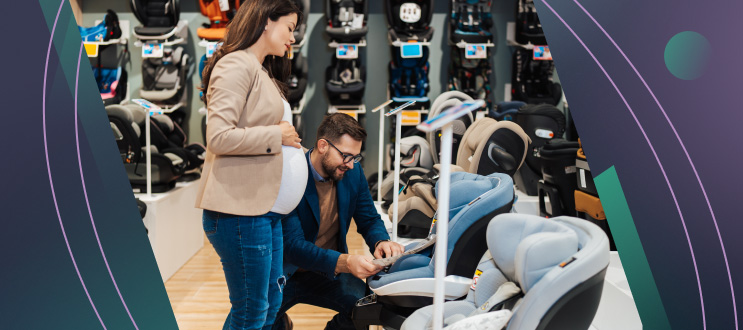
Car seat: $150-400. This has to be new for safety and would not ever consider otherwise? Never purchase a used one unless you know the entire history of that machine.
Stroller: $100-1,000. Many families are able to make do with a simple stroller. Spend more only if you are a serious runner or hiker.
Changing table and dresser: $100-500. Many parents bypass the changing table and opt to use a changing pad on an ordinary dresser instead.
Baby monitor: $50-300. At the most basic level, they serve their purpose. Video monitors are a luxury, but not a necessity.
Feeding supplies: $50-200. Bottles, breast pump (if needed), high chair included. You probably have insurance that covers a breast pump.
Hospital and delivery costs: $0-5,000+. You’ll pay all your deductible and copays with insurance. It’s important to know what your coverage is ahead of time.
Start a baby registry, and say yes to hand-me-downs when you can. Friends and family members probably have perfectly good baby gear lying around unused.
How Much Does a Baby Cost in the First Year
The average cost of a baby in the first year ranges from $12,000 to $18,000. For families paying for full-time daycare in expensive cities, the total can reach $25,000 or more.
Annual & Monthly Baby Expense Summary
| Category | Monthly Estimate | Annual Estimate | Key Details |
| Childcare | $600 – $2,000 | $7,200 – $24,000 | Costs peak in major cities; family help can reduce this to $0. |
| Formula | $150 – $250 | $1,800 – $3,000 | Based on exclusive formula feeding, breastfeeding is near $0. |
| Diapers & Wipes | $70 – $100 | $900 – $1,200 | Expect to use 2,500 – 3,000 diapers in the first year. |
| Medical Costs | $50 – $200 | $600 – $2,400 | Includes copays for well-child visits, vaccines, and sick care. |
| Gear & Supplies | $50 – $100 | $600 – $1,200 | Ongoing needs like bottles, toys, and replacement items. |
| Clothing | $30 – $70 | $360 – $840 | Secondhand shopping can reduce these totals by 70%+. |
| Totals | $950 – $2,720 | $11,460 – $32,640 | Recurring costs only. |
One-Time “Startup” Costs
Beyond the monthly budget, most parents face a significant upfront investment before or shortly after the baby arrives:
- Big-Ticket Items: $2,000 – $5,000
- Includes: Crib, mattress, car seat, stroller, high chair, and nursery furniture.
Pro-Tip: If you are looking to save, focus on the Childcare and Formula categories first, as these represent the vast majority of the annual budget.
You don’t need all this money saved up front. Most expenses are spread throughout the year. You can create a budget that allocates monthly amounts toward baby expenses.
The Biggest Baby Costs Parents Often Underestimate
There are some unexpected expenses that can catch new parents by surprise. Awareness helps you budget more accurately.
Lost income from parental leave. If you are taking 12 weeks off unpaid, that is a quarter of what you earn in a year.
Higher health insurance premiums. A baby generally adds a total of $200 to $500 more per month.
Life insurance. For a 30-year-old in good health, an annual term life insurance policy for 20 years with $500,000 of coverage can cost roughly $25-40 per month.
Increased utility bills. Plan for utilities to go up by $20-50 per month due to extra heating, AC, laundry, and sterilizing.
Baby-proofing items. Outlet covers, cabinet locks, and gates can easily add up to $200-400.
Travel costs. Traveling with an infant costs more. You will need checked bags, travel gear, and sometimes more than one seat.
Emergency expenses. Babies get sick, and gear brakes. An emergency fund brings peace of mind.
Add 15-20% to your budget for miscellaneous expenses to deal with surprises without getting stressed.
How to Prepare for a Baby on a Budget
Preparing financially doesn’t mean you have to be rich. It simply means being thoughtful and intentional with how you use your money and where it goes.
Start saving as early as you can. Try to put aside a set amount each month, even if it feels small. Saving $100 or $200 regularly can grow into a helpful cushion for big, one-time purchases like a crib, stroller, or car seat.
Review your insurance coverage ahead of time. Call your insurance provider and ask obviously what costs you should expect for prenatal visits, delivery, and care during the baby’s first year. Knowing this upfront helps you avoid stressful surprises later.
Adjust your current spending where possible. Take a close look at what’s leftover money each month and find a few areas where you can cut back, even temporarily. That extra money can go straight into your baby fund and build up faster than you think.
Use tax benefits if they’re available to you. If your employer offers a dependent care FSA, then think about opening one. It lets you sock away up to $5,000 pretax for childcare, which can alleviate some real pressure on your budget.
Be prepared for how much and when you want to take your parental leave. And figure out just how much money you will lose during that time and save so you can focus on your baby, not your bills.
Develop a dedicated category in your budget for baby expenses. If nothing else, tracking those costs separately gives you a better sense of the effect on your wallet and makes it easier to adjust if necessary.
You also need to communicate openly with your partner. Be sure you are aligned on spending priorities, saving goals and how you will approach unplanned expenses. Being on the same financial page can help lower stress and make you feel more confident as you move forward together.
How to Reduce Baby Expenses Without Sacrificing Quality
Buying smart can reduce the price by 30-50% with no loss of safety or quality.
Buy secondhand wisely. Clothing, toys, books and most gear is just perfect to buy used. Avoid used car seats and cribs that are not up to current standards, but otherwise don’t worry too much.
Accept hand-me-downs. Babies don’t know if their onesie is brand new. Friends with older children typically have boxes of clothes and gear to hand down.
Consider cloth diapering. Your up front cost will be $300–500, but you’ll save $1,500–2,000 over the first year compared to disposables.
Breastfeed if possible. This is saving $1,800-3k a year on formula alone, not to mention health!
Make your own baby food. From the moment your baby starts solid foods, making purees is a fraction of the cost of commercially available jars.
Skip unnecessary gear. Stick to the essentials: A safe place to sleep, a car seat, basic clothes, diapers, and feeding supplies.
Shop strategically. “Get diapers and formula by sales plus coupons. Purchase larger sizes on sale.
Use free resources. There are free parenting classes, breastfeeding support, and toy libraries in many suburbs.
Budgeting Tools and Strategies for New Parents
The right tools make budgeting much easier.
Choose the right budgeting method. Different budgeting strategies work for different families. The 50-30-20 rule allocates 50% to needs, 30% to wants, and 20% to savings.
Use a budgeting app. A good app automatically categorizes expenses and alerts you when you’re overspending.
Set up automatic savings. Have money automatically transferred to savings each payday. Even $50 per paycheck builds up quickly.
Create sinking funds. Set up separate funds for annual medical costs, replacing outgrown clothes, and gifts.
Track actual versus budgeted spending. For the first few months, track everything to see if your initial budget needs adjustment.
Review and adjust monthly. Schedule a monthly 15-minute meeting with your partner to review spending and adjust the budget.
Common Baby Budgeting Mistakes to Avoid
Learning from others’ experiences helps you sidestep common pitfalls.
Buying everything before the baby arrives. You won’t know what you need until the baby is here. Start with the basics and add items as needed.
Falling for marketing hype. Babies need very little. A $30 baby carrier works just as well as a $200 one for most families.
Not accounting for staying home costs. Factor in lost income, retirement contributions, and career advancement if one parent stays home.
Ignoring free money. Update your W-4 to claim your new dependent. Take advantage of employer benefits like dependent care FSAs.
Comparison shopping only on price. A slightly more expensive crib that converts to a toddler bed saves money long-term.
Not communicating about spending. Partners need to agree on expenses before making purchases. Set clear spending limits.
Forgetting about taxes. Your baby qualifies you for tax credits that reduce your tax bill by thousands.
Neglecting your financial health. Don’t stop contributing to retirement to pay for baby items. Your long-term financial security protects your child’s future.
Conclusion
Let’s face it: It is expensive to bring a baby into the world, but help can reduce that burden. By planning astutely, making good spending decisions, and having a budget that adapts as you figure out what your baby needs, you can keep costs down without compromising quality. The secret is to start early, keep an honest accounting on spending, and remember that the baby doesn’t know the difference between expensive and budget items. What’s important is that they are safe, loved, and have what they need to flourish.

Take control of your money, optimize your spending and grow your savings automatically

February 26, 2026