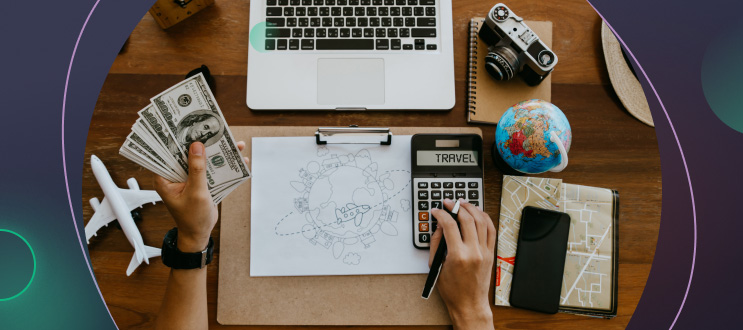
How to Prepare a Travel Budget: Transportation, Accommodation, and Daily Expenses
Travel is exciting, but money surprises can quickly turn a dream trip into a stressful one. Knowing how to prepare a travel budget helps you stay in control, avoid overspending, and actually enjoy your time away. A realistic trip budget breaks down real costs — before you go, so you can plan with confidence and focus on the experience, not your bank balance.
This guide walks you step by step through budgeting for travel, from transportation and accommodation to daily expenses and emergency funds. Whether you’re planning a short getaway or a long international adventure, this approach will help you budget your trip the smart way.

Take control of your money, optimize your spending and grow your savings automatically


Key takeaways:
- A realistic travel budget starts with defining your destination, trip length, and travel style
- Transportation and accommodation usually take the largest share of your budget
- Daily expenses like food, activities, and local transport add up quickly
- Hidden and pre-trip costs are often overlooked, but very real
- An emergency fund protects you from unexpected expenses
- Tracking spending and adjusting plans helps you stay within budget
Table of Contents
Define Your Trip Details and Travel Style
Before you start calculating numbers, you need clarity. Budgeting for a trip without knowing what kind of traveler you are leads to inaccurate estimates.
Ask yourself:
- Where are you going?
- How long will you stay?
- Are you traveling solo, with a partner, or as a family?
- Do you prefer comfort or are you open to budget options?
Your answers shape your entire travel budget. A luxury resort vacation will cost significantly more than backpacking or slow traveling. The goal isn’t to spend less — it’s to spend intentionally.
At this stage, decide what matters most to you. If food experiences are a priority, you might save on accommodation. If comfort matters, you may allocate more money to flights and hotels and less to activities.
Estimate Transportation Costs
Transportation is often one of the biggest expenses when you budget your trip, so estimate it early.
Start with:
- Flights, trains, or long-distance buses
- Airport transfers
- Car rentals and fuel
- Local transportation (public transit, taxis, rideshares)
Flight prices vary widely depending on season, flexibility, and booking time. Compare options and track prices before committing. Once booked, lock that number into your travel budget.
Don’t forget everyday transportation. Small daily costs — like metro tickets or short taxi rides — can add up over time and impact your total expenses more than expected.
Plan Accommodation Expenses
Accommodation is usually the second-largest cost when budgeting for travel.
Consider your options:
- Hotels
- Hostels
- Vacation rentals
- Guesthouses or homestays
Your nightly rate multiplied by the number of nights gives you a base number, but remember to include:
- Taxes and service fees
- Cleaning or resort fees
- Security deposits (if applicable)
If you’re staying in multiple places, calculate accommodation costs separately for each location. This gives you a clearer picture of how your travel budget changes throughout the trip.
Budget for Food and Daily Spending
Food is a daily expense that can quietly drain your budget if ignored. When budgeting for a trip, estimate food costs based on your habits and destination prices.
Think about:
- Meals out vs. cooking
- Coffee, snacks, and drinks
- Groceries and convenience food
A simple approach is to set a daily food allowance and multiply it by the number of your travel days. This keeps your expenses predictable and flexible.
Daily spending also includes small, often overlooked costs that can quietly affect your travel budget. These expenses may seem minor on their own, but they add up quickly over the course of a trip.
Examples include:
- Souvenirs and small gifts
- Mobile data plans or local SIM cards
- Coffee, snacks, bottled water, and other impulse purchases
These are real and unavoidable costs of traveling. By planning for them in advance, you give yourself freedom to enjoy the little moments without constantly worrying about money. A realistic allowance for daily spending helps you stay within budget while avoiding the feeling of restriction or guilt during your trip.
Calculate Activities and Entertainment Costs
Activities are what turn a trip into a memorable experience, but they can also become a major part of your travel budget if you’re not careful. From guided tours to cultural attractions, these costs add up quickly especially in popular tourist destinations.
Make a list of planned activities, such as:
- Tours and excursions
- Museums, landmarks, and attractions
- Events, shows, workshops, or unique local experiences
Some destinations are packed with free or low-cost things to do, like walking tours, public beaches, festivals, or nature trails. Others depend heavily on paid attractions, which can significantly increase your expenses. Research activity prices in advance so your travel budget is based on real numbers, not guesses.
Focus on experiences that truly matter to you instead of trying to do everything. Choosing a few meaningful activities over a packed schedule helps you control costs while still making the trip feel special and rewarding.
Account for Pre-Trip and Hidden Expenses
This is where many travelers underestimate their expenses.
Pre-trip costs may include:
- Visas and entry fees
- Travel insurance
- Vaccinations or medical prep
- New luggage or gear
Hidden costs during the trip can include:
- ATM and currency exchange fees
- Roaming charges
- Tips and service charges
- Laundry or baggage storage
These costs may seem small individually, but together they can significantly affect your travel budget. Planning for them upfront makes budgeting for travel far more accurate.
Build an Emergency Fund for Your Trip
No matter how carefully you plan, unexpected costs can still appear during travel. Flights get delayed, prices change, luggage goes missing, or you may need medical care in an unfamiliar place. That’s why building an emergency fund is a crucial part of budgeting for a trip, not an optional extra.
Set aside:
- 10–20% of your total travel budget as a financial buffer
- Enough money to cover situations like medical treatment, missed connections, emergency accommodation, or last-minute transportation changes
This fund isn’t meant for shopping or activities – it’s there to protect you when plans don’t go as expected. Having emergency money available gives you peace of mind and flexibility, allowing you to handle problems quickly instead of panicking or going into debt. When you know you’re prepared for surprises, you can relax, make smarter decisions, and enjoy traveling with far less stress.
Tips to Stay Within Your Travel Budget
Even the best plan needs flexibility. These budget travel tips help you stay on track without sacrificing enjoyment.
- Track spending daily so you can adjust early
- Use a budget calculator to compare planned vs. actual costs
- Prioritize experiences, not impulse purchases
- Be flexible with dates and transport options
- Look for free or low-cost activities
If you want more practical ways to control spending, check out this guide on how to save money before and during your trip.
For accurate planning, tools like a budget calculator can help you visualize your numbers and stay realistic.
Staying within your travel budget doesn’t mean restricting yourself — it means making informed choices.
Final thoughts
Learning how to create a travel budget is one of the most valuable skills you can develop. A clear plan helps you control costs, avoid stress, and enjoy traveling more.
By breaking your trip into transportation, accommodation, food, activities, and emergency funds, you turn uncertainty into clarity. Whether you’re planning a weekend getaway or a long international journey, thoughtful budgeting for travel ensures your money supports your experience – not limits it.

Take control of your money, optimize your spending and grow your savings automatically

February 26, 2026